
Trenches That Protect Existing Infrastructure
Utility Excavation & Trenching in Crawfordville for underground electrical, water, and utility installations
Luper's Land Management handles utility excavation and trenching for residential, commercial, and agricultural projects throughout Crawfordville. Installing underground utilities requires precise excavation that minimizes unnecessary property disturbance while avoiding existing infrastructure. Each trench is planned around the location of current utilities and structures to prevent accidental damage during installation.
This service involves digging trenches for electrical lines, water systems, and other underground utilities, then backfilling and restoring the site once installation is complete. Proper planning accounts for trench depth, soil conditions, and the placement of existing utilities to keep the work zone as contained as possible. Florida's high water table and sandy soils require attention to trench stability and drainage during excavation.
Schedule a site visit to review your installation layout and discuss trench routing before work begins.
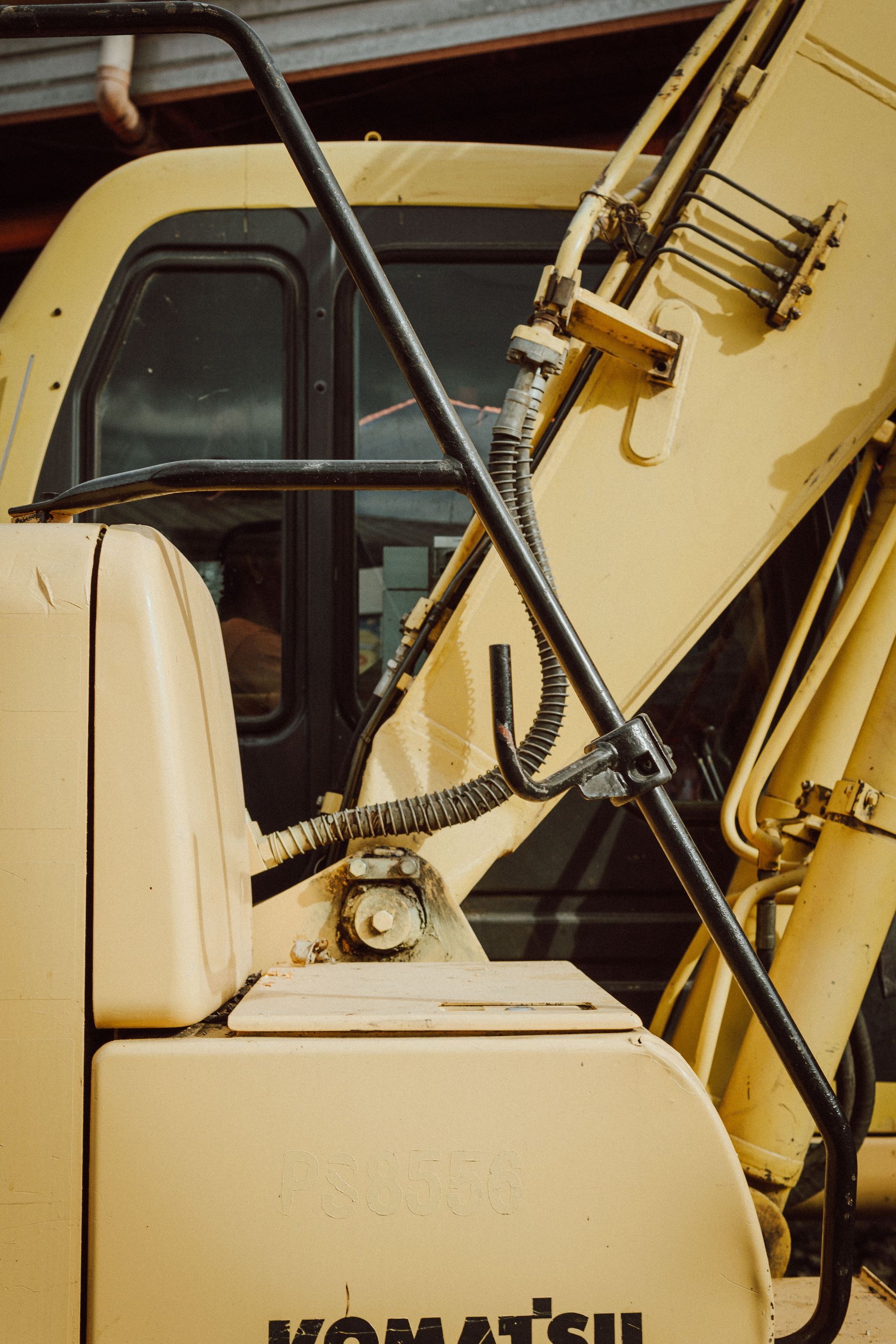
What Proper Trenching Requires
Careful planning begins with identifying existing utility lines, septic systems, and underground obstacles before any digging starts. Trenches are excavated to the depth and width required for the specific utility being installed, with attention to maintaining stable trench walls and managing groundwater infiltration. Equipment is selected based on trench length, depth requirements, and the need to limit surface disturbance across your property.
After utilities are installed and inspected, trenches are backfilled with appropriate material and compacted to prevent settling. The surface is graded to match the surrounding terrain, and disturbed areas are prepared for replanting or resurfacing. You'll notice clean edges along the trench route and restored ground that blends with the rest of your property.
Trench depth and backfill specifications depend on the type of utility, local code requirements, and soil conditions. Coordination with utility installers is necessary to confirm proper depth and bedding material before backfilling begins.
Questions Before Starting Your Project
Property owners in Crawfordville often ask about the excavation process, timing considerations, and what happens after trenching is complete.
What happens before trenching starts?
Existing utilities are located and marked, and the trench route is planned to avoid obstacles like trees, septic systems, and structures while maintaining required clearances.
How is trench depth determined?
Depth depends on the type of utility being installed, local code requirements for burial depth, and soil conditions that affect long-term stability and drainage.
What does trench backfilling involve?
After utility installation, trenches are filled with excavated soil or specified bedding material, compacted in layers to prevent future settling, and graded to restore proper drainage.
When should trenching be scheduled?
Trenching is best completed during dry weather when soil conditions allow stable trench walls and easier equipment access, particularly important in Crawfordville's sandy soils prone to shifting when saturated.
What site restoration is included?
Disturbed areas are graded to match surrounding terrain, excess soil is removed or spread as needed, and the surface is prepared for replanting, sodding, or repaving depending on project requirements.
Luper's Land Management plans each trench route to protect your property and existing infrastructure. Arrange an on-site visit to review your utility installation needs and discuss the most efficient routing for your project.