
Ground-Level Surfaces Ready for Immediate Use
Stump Grinding in Crawfordville for yards requiring landscaping, construction preparation, or lawn restoration
Grinding stumps below grade eliminates tripping hazards and creates usable space where tree removal left obstacles. Luper's Land Management operates efficient equipment capable of handling various stump sizes across Crawfordville properties. The process improves yard appearance, simplifies mowing access, and prepares sites for new landscaping or construction projects.
Stump grinding involves cutting the stump and surface roots several inches below ground level using rotating cutting teeth, turning the wood into mulch that fills the depression. Depth typically reaches six to twelve inches below grade depending on future site use. The resulting mulch can be left as filler, spread across planting beds, or removed entirely to allow immediate replanting or sod installation.
Schedule a free estimate to review stump locations and discuss grinding depth based on your plans for the area.
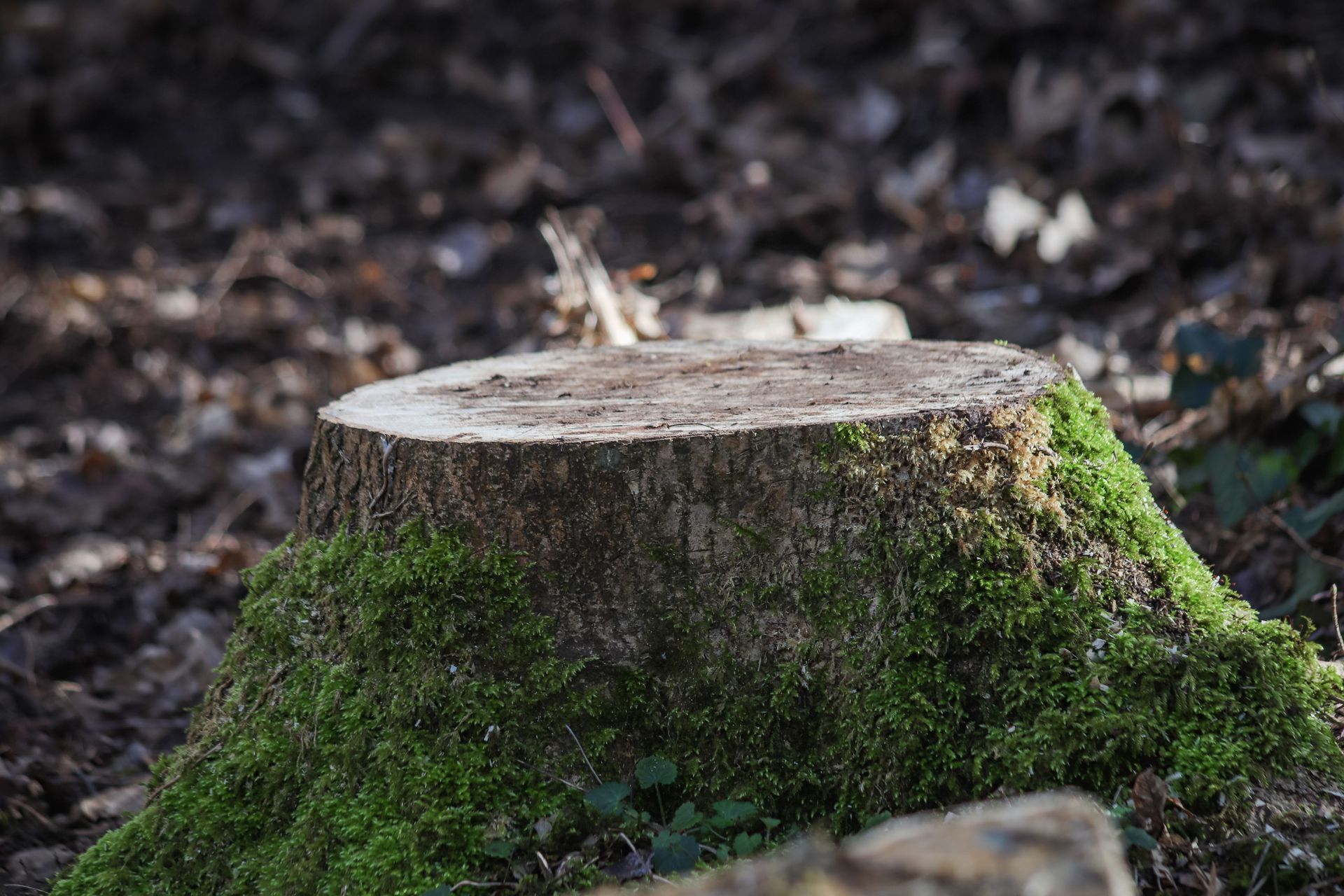
How Stump Grinding Addresses Site Obstacles
The grinding process removes visible stump material and grinds surface roots that interfere with mowing, creating a smooth grade that matches surrounding terrain. Equipment accesses stumps through standard gate openings and operates in confined spaces where larger machinery cannot reach. Grinding depth is adjusted based on whether you plan to plant grass, install landscaping, or prepare for hardscaping projects.
After grinding, you'll see level ground where stumps previously interrupted lawn maintenance and landscaping plans. Wood chips settle into the depression and decompose over time, or they can be removed to create planting pockets immediately. Mowing becomes simpler without obstacles blocking blade paths, and the risk of tripping or equipment damage disappears.
Grinding does not remove the entire root system, which continues to decompose underground. Deep root removal is only necessary for construction projects requiring foundation work or utility installation in the same location.
Common Questions About This Service
Property owners in Crawfordville often ask about grinding depth, cleanup procedures, and what happens to the wood chips produced during the process.
How deep does stump grinding go?
Grinding typically reaches six to twelve inches below ground level, deep enough to allow grass planting or landscaping while leaving roots to decompose naturally beneath the surface.
What happens to the wood chips?
Chips can be left to fill the depression and decompose as organic matter, spread across mulch beds, or removed entirely depending on your landscaping plans and whether immediate replanting is needed.
When is stump grinding necessary instead of leaving stumps in place?
Grinding becomes important when stumps interfere with mowing patterns, create tripping hazards in high-traffic areas, attract pests, or occupy space needed for landscaping, patios, or lawn restoration.
How large a stump can be ground?
Equipment handles stumps from small saplings to specimens several feet in diameter, with adjustments made for access limitations, proximity to structures, and root flare width.
What site preparation is needed before grinding?
Clearing rocks, debris, and obstacles from around the stump allows efficient equipment operation, and identifying underground utilities near the stump prevents accidental contact during grinding.
Luper's Land Management assesses stump size, location, and site access before grinding to confirm equipment compatibility and grinding depth. Request an estimate to review your stump removal needs and discuss site restoration options.