Outdoor Surfaces Built for Years of Use
Hardscape Construction in Crawfordville for properties needing permanent outdoor structure and defined living spaces
Luper's Land Management installs patios, walkways, retaining walls, and outdoor living features designed to handle Florida's climate and site-specific conditions. You need hardscaping when your property lacks defined outdoor spaces, when drainage patterns create unusable areas, or when erosion threatens structures and landscaping. Every project begins with evaluating existing grading, soil stability, and how water moves across your property during storms.
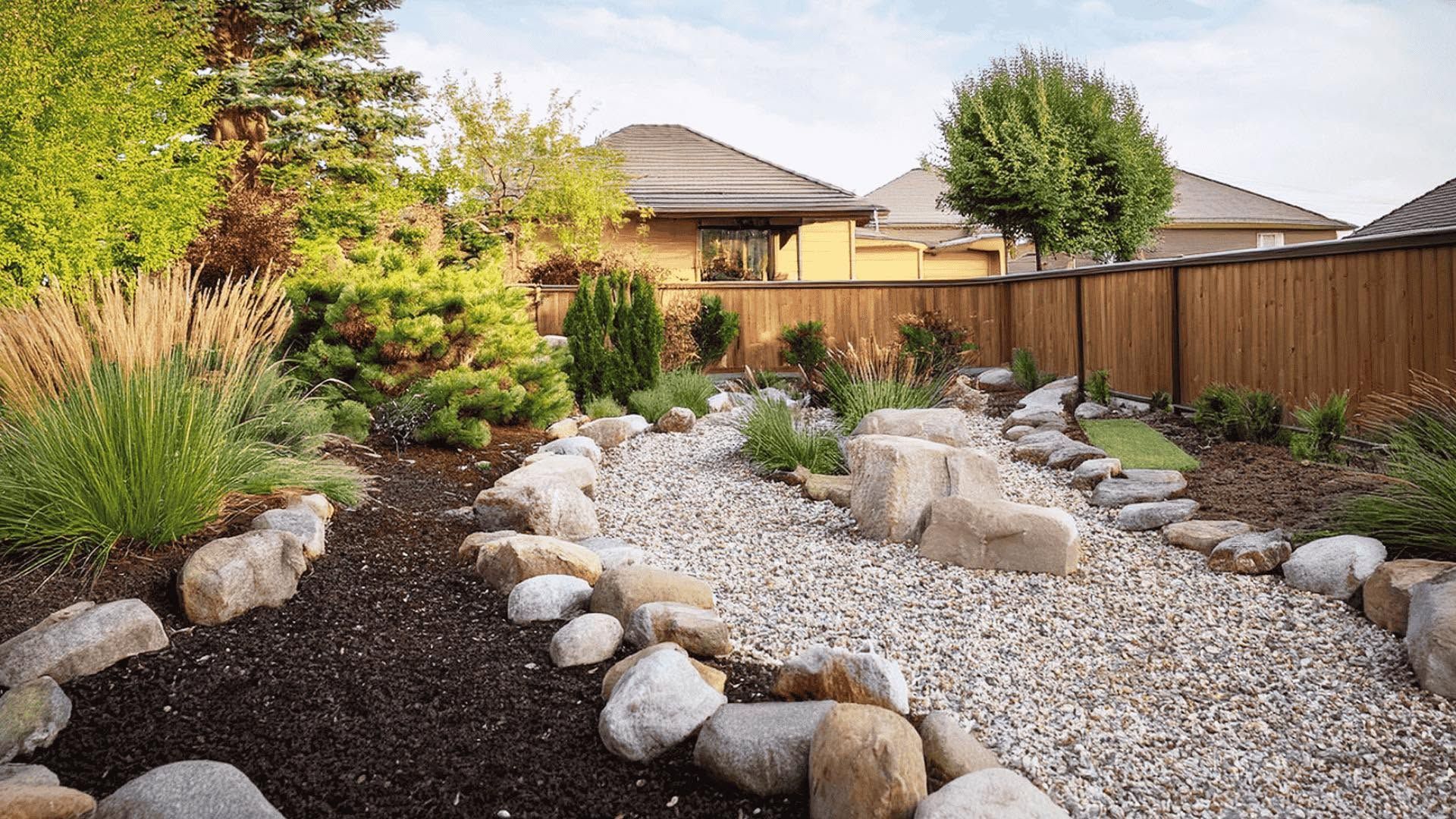
Hardscape construction involves preparing the base properly before any pavers or stone go down—this means excavating to the right depth, installing compacted aggregate layers, and ensuring pitch directs water away from structures. Materials are selected based on your property's exposure to sun, moisture levels in the soil, and the functional demands of the space. Retaining walls require engineering considerations when holding back soil on sloped properties, and integrating these features with existing drainage systems prevents water from pooling behind walls or undermining foundations over time.
Schedule an on-site consultation to review your property's layout and discuss customized hardscape options.
How Hardscape Installation Addresses Site Challenges
Properly constructed hardscaping changes how your property functions by creating stable surfaces where ground was previously uneven, muddy, or prone to erosion. The base preparation determines whether pavers shift over time—aggregate must be compacted in lifts, not dumped all at once, and edge restraints keep materials from spreading outward under foot traffic. On properties with clay-heavy soil common around Crawfordville, additional drainage measures beneath hardscapes prevent water from saturating the base and causing settlement.
After installation, you'll notice water no longer pools in areas where it previously collected, walkways remain level without developing dips or raised sections, and retaining walls hold soil in place without leaning or cracking. The surfaces handle regular use without requiring frequent repairs, and plants placed around hardscape edges stay in position rather than washing away during heavy rain. Outdoor spaces become usable year-round instead of turning into mud after storms or staying too wet for foot traffic.
Projects are designed around your property's specific layout and goals—whether creating entertainment areas, connecting structures with safe pathways, or managing elevation changes with terraced walls. Work includes coordinating hardscape placement with existing trees, underground utilities, and future landscaping plans to avoid conflicts later.
Questions Property Owners Usually Ask
Homeowners planning hardscape projects often want to know how the work fits their property conditions and what the construction process involves.
What determines which materials work best for my property?
Soil type, sun exposure, and how the space will be used all affect material selection—permeable pavers work well in areas with drainage concerns, while natural stone offers durability in high-traffic zones, and the base preparation changes based on whether you're building on sand or clay.
How does hardscaping integrate with drainage systems?
Retaining walls and patios are positioned to direct water toward existing drainage paths or away from structures, and installations can include French drains or gravel channels beneath surfaces to manage groundwater that rises during Crawfordville's wet season.
What happens to the site during construction?
Excavation removes soil to the depth needed for base layers, equipment compacts aggregate in stages to prevent future settling, and edges are secured before placing pavers or stone, with cleanup completing the project once surfaces are leveled and joints filled.
How long do hardscape features last before needing repairs?
Properly installed patios and walkways typically remain stable for decades if the base was compacted correctly and drainage prevents water from undermining the foundation, though joint sand may need replenishing every few years and individual pavers can be replaced if damaged without disturbing surrounding areas.
When should I schedule hardscape construction?
Dry months allow better soil compaction and prevent delays from rain-saturated ground, and planning work before landscaping projects lets you coordinate plantings around finished hardscapes rather than working backward from existing gardens.
Luper's Land Management designs each
hardscape project around your property's topography and how you intend to use the outdoor space. Contact us to arrange an evaluation that reviews site conditions and discusses material options suited to your goals.