
Vegetation Management That Prevents Future Hazards
Tree Removal & Tree Trimming in Crawfordville for hazardous, damaged, and overgrown trees affecting property safety
Trees leaning toward structures, showing decay, or damaged by storms create risks that worsen with each weather event. Luper's Land Management provides tree removal and trimming services in Crawfordville to address hazardous conditions, improve property appearance, and maintain healthy vegetation. Professional equipment allows safe removal of difficult trees near buildings, power lines, and other obstacles.
Removal involves cutting down unwanted or dangerous trees, sectioning large specimens to prevent property damage, and clearing all debris from the site. Trimming removes dead limbs, shapes canopies for clearance, and reduces weight on overextended branches. Storm cleanup addresses downed trees and broken limbs that block access or threaten structures after severe weather moves through the area.
Request a free evaluation to identify trees that pose risks and discuss trimming or removal options.
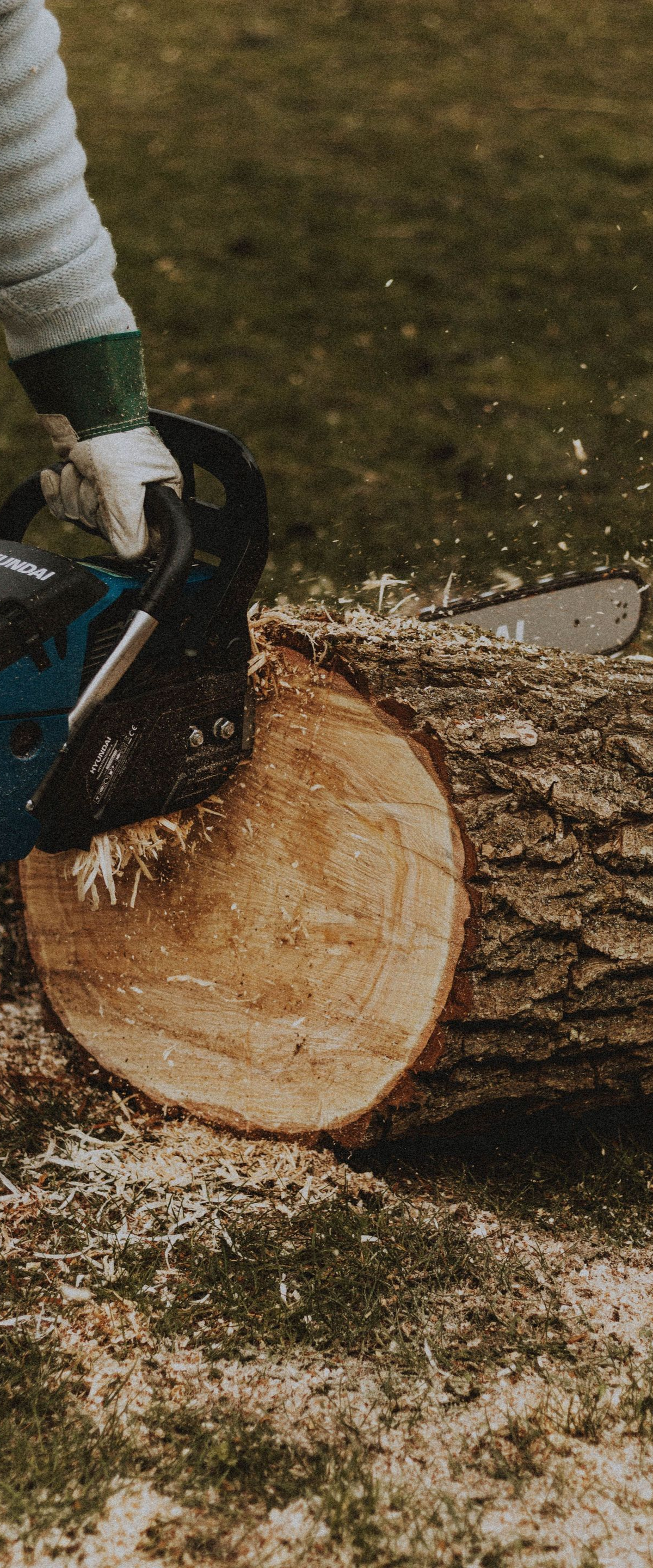
What Changes After Tree Work Completes
Tree removal eliminates hazards by taking down specimens with structural defects, root damage, or dangerous lean angles that compromise stability. Trimming reduces branch weight, removes deadwood, and opens canopies to allow wind passage, which lowers the chance of breakage during storms. Each cut is made to promote proper healing and prevent decay from entering the tree.
Your property becomes safer with hazards removed and remaining trees shaped for improved clearance around structures and power lines. Debris is hauled away completely, leaving a clean site ready for lawn maintenance or new landscaping. Improved sightlines and sunlight penetration become immediately visible after overgrown vegetation is addressed.
Trimming schedules depend on tree species, growth rates, and proximity to structures. Some trees require annual attention while others remain stable for several years between maintenance cycles.
Answers to Frequent Service Questions
Homeowners typically want to know how hazardous trees are identified, what removal involves, and how trimming improves tree health and safety.
What makes a tree hazardous?
Signs include visible decay, cracks in the trunk, significant lean toward structures, dead or hanging branches, root damage from construction or erosion, and previous storm damage that weakened the tree's structure.
How is tree removal performed safely?
Large trees are sectioned from the top down to control where wood falls, rigging systems lower heavy sections without damaging surrounding property, and cuts are planned to avoid structures, fences, and landscaping below.
What does complete debris removal include?
All cut wood, branches, and leaves are removed from your property, with wood chips hauled away or spread as mulch depending on your preference and site conditions.
When should trimming be scheduled in Crawfordville?
Late winter or early spring before active growth begins is ideal for most species, though hazard trimming to remove storm-damaged or dangerous limbs should happen immediately regardless of season.
How does trimming differ from topping?
Proper trimming selectively removes branches to improve structure and health while topping indiscriminately cuts back the canopy, which stresses trees and promotes weak regrowth prone to future failure.
Luper's Land Management assesses tree condition and site-specific risks before recommending removal or trimming. Contact us to schedule a property evaluation and receive guidance on managing your trees safely.