
Foundations Need Level Ground and Stable Soil
Site Preparation & Building Pad Construction in Crawfordville for properties preparing for homes, shops, barns, and outbuildings
Construction on unprepared ground leads to settling foundations, drainage failures, and structural problems within the first few years after building. Luper's Land Management completes site preparation and building pad construction in Crawfordville where new structures require cleared, graded, and stabilized surfaces that meet builder specifications and prevent long-term issues. Proper site preparation establishes correct elevation, removes unsuitable soil, and creates a compacted base that supports building loads without shifting or sinking.
Site preparation involves clearing vegetation, removing topsoil and organic material that decomposes under weight, and grading the building area to establish proper elevation and slope for drainage. Building pad construction adds or removes soil to reach target height, compacts fill material in controlled lifts to prevent future settling, and shapes the pad so water drains away from the structure in all directions. Sites prepared for homes need different elevation than pads for shops or barns, and coordination with builders determines final grade requirements before construction begins.
Schedule an on-site consultation to review your building plans and discuss site preparation requirements.
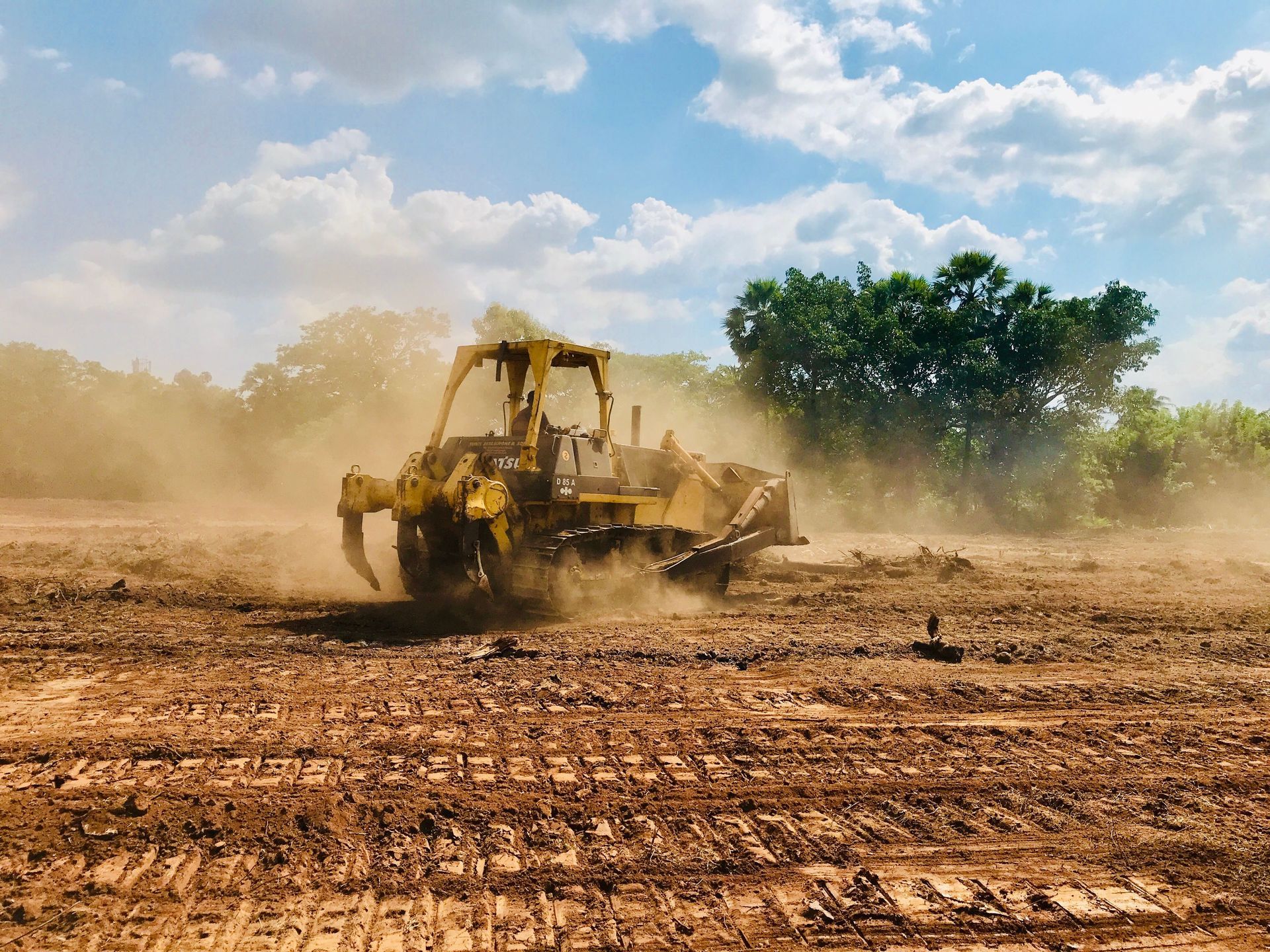
What Proper Site Preparation Requires
Preparation starts with surveying the site to confirm property boundaries, identify utility locations, and establish finish grade elevation that prevents water from flowing back toward the building. Unsuitable soils such as organic-rich topsoil, loose sand, or muck are removed and replaced with structural fill that compacts to stable density. Each lift of fill material is spread in thin layers, moistened to optimal water content, and compacted with heavy equipment before the next layer is added, ensuring the entire pad supports loads uniformly without weak zones that cause differential settling.
Once site preparation finishes, you notice a level or gently sloped pad cleared of vegetation and debris, with compacted soil firm enough to support heavy equipment without rutting. The pad sits at an elevation that directs surface water away from the building footprint, and the perimeter transitions smoothly to surrounding grades without abrupt drops that erode during rain. Builders can set forms, pour footings, and construct without delays caused by unstable ground or drainage problems.
Site stabilization depends on soil type and building weight—sandy soils in Crawfordville require deeper compaction efforts than clay soils, and structures with heavy floor loads or multiple stories need more rigorous preparation than light agricultural buildings. Proper grading also considers future landscaping, driveway connections, and utility trenches that will be cut after the building is complete, so the pad integrates with the overall site plan rather than existing as an isolated platform.
Common Questions About This Service
Property owners preparing to build often ask about grading, elevation, and what happens during site preparation before construction starts.
What gets removed during site preparation?
Site preparation removes vegetation, roots, topsoil, and any unsuitable organic material down to stable subgrade, which is then graded and compacted before structural fill is added to reach target elevation.
How high should a building pad sit above surrounding ground?
Pad height depends on flood zone requirements, natural drainage patterns, and builder specifications, but elevation must allow water to drain away from the structure in all directions to prevent pooling against foundations.
Why does soil compaction matter for building pads?
Compaction eliminates air voids in fill material that cause settling over time, creating a stable base that supports building loads uniformly and prevents cracks, floor slab movement, or structural distortion.
What role does Luper's Land Management play during construction?
Luper's Land Management completes clearing, grading, and pad construction before builders arrive, then coordinates with contractors to ensure site conditions meet construction requirements and timelines.
When should site work start relative to building permits and schedules?
Site preparation should begin after permits are secured and building plans are finalized so pad dimensions, elevation, and grading match approved construction documents and builder specifications.
Luper's Land Management prepares sites throughout Crawfordville for residential, commercial, and
agricultural construction projects where proper grading and stabilization prevent long-term structural problems. Call us to schedule a consultation and review site preparation steps for your building project.