
Excavate Water Features That Hold and Function
Pond Construction & Excavation in Crawfordville for recreational, agricultural, livestock, and drainage applications
Poorly excavated ponds leak, fill with sediment, or fail to hold water through dry seasons when livestock or irrigation depend on reliable volume. Excavation determines pond depth, side slopes, and bottom contours that control water retention, sediment accumulation, and access for maintenance or use. Luper's Land Management excavates new ponds and expands existing ponds in Crawfordville where properties need water storage for livestock, drainage management, recreation, or irrigation, using equipment that shapes basins to meet specific goals without excessive soil disturbance or unstable banks.
Pond construction begins with identifying the water source—whether surface runoff, groundwater seepage, or piped supply—and designing basin size and depth to store adequate volume while accounting for evaporation and seasonal water level changes. Excavation removes soil in layers to create sloped sides stable enough to resist erosion and a bottom graded to concentrate water in the deepest zone. Soil removed during excavation is used to build berms, shape surrounding grades, or improve site drainage depending on property needs and pond purpose.
Discuss pond ideas during a free estimate to review excavation requirements and design options for your property.
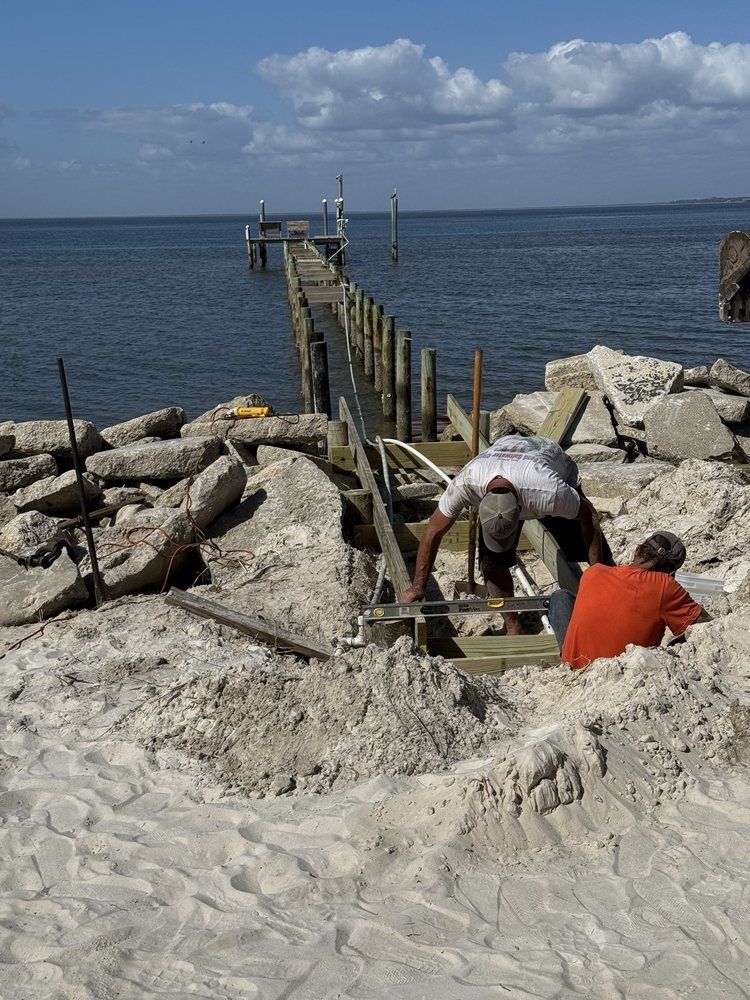
What You Notice Once Excavation Is Finished
Excavation shapes the pond basin with sloped sides that prevent collapse and allow safe livestock access, a bottom contoured to drain completely during cleanout, and edges that transition smoothly into surrounding terrain without abrupt drops. Ponds designed for recreation include deeper zones that remain cool during summer and shallow areas that warm quickly for fish spawning. Agricultural ponds prioritize volume and access points for pumping, while drainage ponds include inlet and outlet structures that control water level and prevent overflow during heavy rain events common in Wakulla County.
After excavation, you notice a defined water-holding basin with stable banks, a bottom free of roots and debris that would decompose and create soft spots, and surrounding grades shaped to direct runoff into the pond or away depending on drainage goals. Ponds fill gradually from rainfall or groundwater seepage, and properly excavated basins hold water without excessive leakage through sandy soils. Livestock can access water safely from sloped entry points, and pumps can draw from deeper zones without pulling sediment.
Pond performance depends on soil type, water table depth, and excavation quality—sandy soils in Crawfordville may require clay liners or compacted cores to reduce seepage, and ponds fed by runoff need adequate drainage area to maintain water levels during dry periods. Excavation depth must account for sediment accumulation over time so the pond retains useful volume without frequent dredging.
Questions Before Starting Your Project
Property owners considering pond construction often ask about excavation methods, water sources, and how ponds perform in different soil and climate conditions.
What size pond do livestock need?
Pond size depends on herd size, water consumption rates, and seasonal rainfall, but excavation should provide enough volume to sustain livestock through dry months when evaporation reduces water levels faster than rainfall replenishes the basin.
How deep should a recreational pond be?
Recreational ponds typically include zones ranging from shallow edges to deeper areas exceeding eight feet, allowing fish habitat diversity and temperature stratification that supports healthy populations year-round.
Why do ponds in Crawfordville sometimes fail to hold water?
Ponds fail to hold water when excavated in sandy soils without adequate clay content or compacted liners, when water table depth is insufficient to maintain seepage inflow, or when drainage area is too small to supply runoff during dry periods.
What happens to soil removed during pond excavation?
Excavated soil is used to build berms around the pond, improve surrounding drainage, raise low areas, or shape access roads depending on your property's needs and the volume of material removed.
When is the best time to excavate a pond?
Excavation is best during dry seasons when soil moisture is lower, equipment can maneuver without rutting, and the water table is at its lowest point, allowing deeper excavation and better assessment of natural seepage rates.
Luper's Land Management excavates ponds throughout Crawfordville for properties needing reliable water storage, drainage management, or recreational features designed for long-term performance. Contact us to arrange a property visit and discuss excavation options based on your goals and site conditions.